When Survival Becomes a Lifestyle
When Survival Becomes a Lifestyle
My reflection on how survival mode breeds distrust and hustle, and how maturity turns those skills into leadership.
My reflection on how survival mode breeds distrust and hustle, and how maturity turns those skills into leadership.
March 15th, 2026
March 15th, 2026
I did not grow up believing life would meet me gently. I grew up believing I had to make sure I was okay, no matter what, and that belief shaped how I moved through every room. Even when nothing was happening, my body acted like something was about to happen.
Somewhere along the way, that turned into a rule: you were not going to get me, because I would get you first. It was not about being mean. It was about not being caught slipping. I did not want to be the one surprised, embarrassed, or unprepared. I wanted to be the one in control.
Survival mode made me alert and quick. It gave me instincts. It gave me speed. It taught me how to watch a person’s face, how to read energy, and how to notice the small shifts that other people miss. In a lot of ways, it made me sharp.
But it also taught me that vulnerability had consequences. Crying felt like permission for people to label you as weak, and once you were seen that way, it felt like you were fair game. So I learned to keep it together, even when I was falling apart inside. I learned to swallow what I felt and call it strength.
I carried pressure to always leave with something. Not just money or things, but pride, control, and proof that nobody played me. If I walked away feeling like someone got over, it felt bigger than the moment. It felt like I was back in a place where being naive cost you.
So I stayed ahead. I watched patterns, read the room, and tried to predict the play before it happened. I sharpened my voice and my presence like tools, because tools keep you safe when you do not trust the environment. I became the kind of person who could talk my way out of anything and also talk my way into anything.
The hard part is realizing that survival skills do not come with an off switch. You can be in a better season and still be acting like you are in danger. You can be loved and still be bracing for betrayal. You can have support and still feel like you have to do everything alone.
And that “always alone” feeling is real. The part people do not talk about is the loneliness. When your default setting is distance, you rarely let people close enough to earn real trust. You can be surrounded and still feel like you are doing life by yourself, because being seen feels too risky.
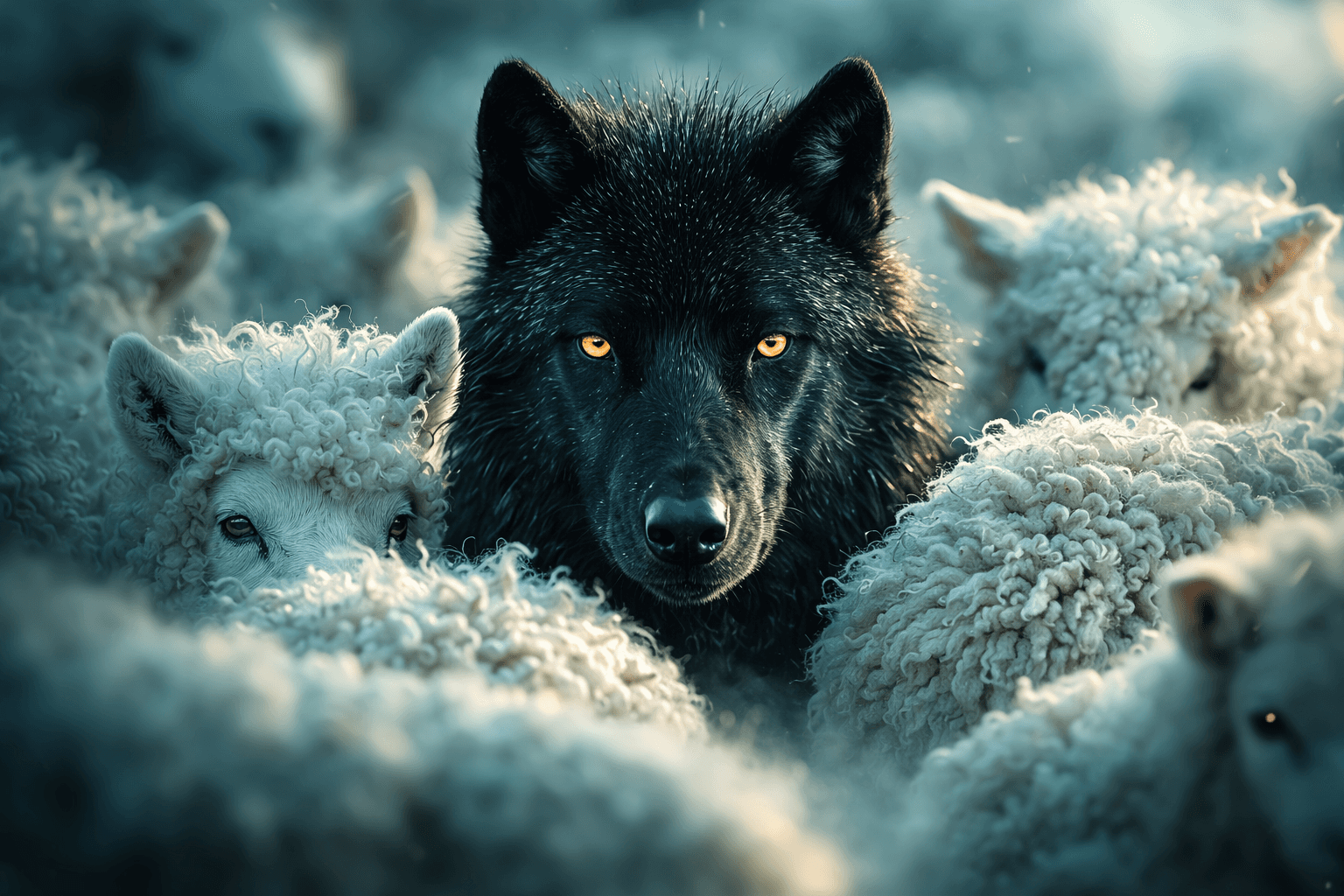
When survival becomes a lifestyle, it can start to look like confidence. It can look like ambition. It can look like being the strongest one in the room. But underneath it, it is often fear of being caught without armor. Fear of needing something. Fear of being disappointed.
Now I still want to win, but winning means something different. Winning is not defense at all costs anymore. It is building something real, using my voice with care, and learning the instructions for my gifts so they heal and elevate instead of bruising people.
I am learning that strength is not just how hard you can go. Strength is also how honest you can be. How well you can repair. How willing you are to be accountable when your survival habits show up in spaces where they no longer belong.
I can respect what survival did for me and still decide it does not get to run my future. It protected me when I needed protection. Now I want to live, not just survive. I want connection with discernment, not distance dressed up as peace.
Let's run in back
Name what survival taught you. If your default is control, defensiveness, or always being “on,” ask yourself what you were protecting back then.
Separate your gift from your guard. Your voice, talent, and instincts can be powerful, but they work better with care, boundaries, and self awareness.
Redefine winning for this season. Winning can mean peace, healthy relationships, and impact that matches your intentions, not just being untouchable.
I did not grow up believing life would meet me gently. I grew up believing I had to make sure I was okay, no matter what, and that belief shaped how I moved through every room. Even when nothing was happening, my body acted like something was about to happen.
Somewhere along the way, that turned into a rule: you were not going to get me, because I would get you first. It was not about being mean. It was about not being caught slipping. I did not want to be the one surprised, embarrassed, or unprepared. I wanted to be the one in control.
Survival mode made me alert and quick. It gave me instincts. It gave me speed. It taught me how to watch a person’s face, how to read energy, and how to notice the small shifts that other people miss. In a lot of ways, it made me sharp.
But it also taught me that vulnerability had consequences. Crying felt like permission for people to label you as weak, and once you were seen that way, it felt like you were fair game. So I learned to keep it together, even when I was falling apart inside. I learned to swallow what I felt and call it strength.
I carried pressure to always leave with something. Not just money or things, but pride, control, and proof that nobody played me. If I walked away feeling like someone got over, it felt bigger than the moment. It felt like I was back in a place where being naive cost you.
So I stayed ahead. I watched patterns, read the room, and tried to predict the play before it happened. I sharpened my voice and my presence like tools, because tools keep you safe when you do not trust the environment. I became the kind of person who could talk my way out of anything and also talk my way into anything.
The hard part is realizing that survival skills do not come with an off switch. You can be in a better season and still be acting like you are in danger. You can be loved and still be bracing for betrayal. You can have support and still feel like you have to do everything alone.
And that “always alone” feeling is real. The part people do not talk about is the loneliness. When your default setting is distance, you rarely let people close enough to earn real trust. You can be surrounded and still feel like you are doing life by yourself, because being seen feels too risky.
When survival becomes a lifestyle, it can start to look like confidence. It can look like ambition. It can look like being the strongest one in the room. But underneath it, it is often fear of being caught without armor. Fear of needing something. Fear of being disappointed.
Now I still want to win, but winning means something different. Winning is not defense at all costs anymore. It is building something real, using my voice with care, and learning the instructions for my gifts so they heal and elevate instead of bruising people.
I am learning that strength is not just how hard you can go. Strength is also how honest you can be. How well you can repair. How willing you are to be accountable when your survival habits show up in spaces where they no longer belong.
I can respect what survival did for me and still decide it does not get to run my future. It protected me when I needed protection. Now I want to live, not just survive. I want connection with discernment, not distance dressed up as peace.
Let's run in back
Name what survival taught you. If your default is control, defensiveness, or always being “on,” ask yourself what you were protecting back then.
Separate your gift from your guard. Your voice, talent, and instincts can be powerful, but they work better with care, boundaries, and self awareness.
Redefine winning for this season. Winning can mean peace, healthy relationships, and impact that matches your intentions, not just being untouchable.
— Tamar Jackson, Co Founder of 80Grit Consulting
— Tamar Jackson, Co Founder of 80Grit Consulting
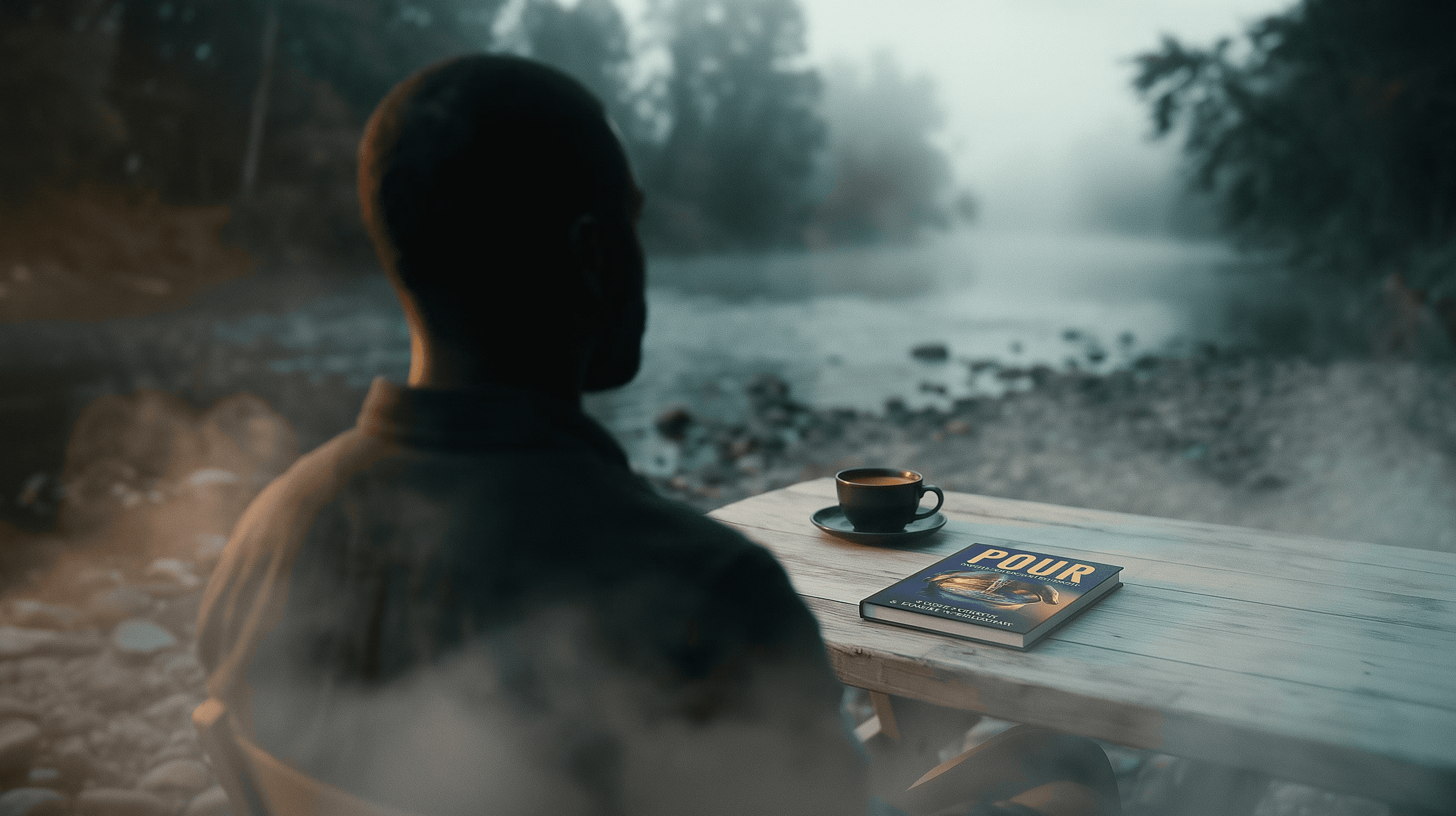
POUR
The Self-Nourishment Blueprint
Are you pouring into others while running on empty? In a fast-paced world that constantly demands our energy, it’s easy to feel drained, disconnected, and overwhelmed. POUR: The Self-Nourishment Blueprint is your guide to reclaiming your energy, realigning with your purpose, and fostering meaningful relationships.