
Stop Dragging Yesterday Into Rooms
Stop Dragging Yesterday Into Rooms
If you don’t process the past, you’ll keep performing it.
If you don’t process the past, you’ll keep performing it.
January 11, 2026
January 11, 2026
We all have “moments behind us.” Things we survived, swallowed, or normalized. But just because it’s behind you doesn’t mean it’s done. Unhealed experiences don’t disappear, they echo. They show up in your tone. Your trust. Your urgency. Your need for control.
A lot of people call it “personality” when it’s really protection. They call it “high standards” when it’s really fear. They call it “I’m just independent” when it’s really disappointment they never named.
Your past becomes a problem when it drives your present without your permission. When you keep reacting like you’re still there. When a small conflict feels like an old betrayal. When feedback feels like an attack. When love feels like a trap.
Being your own center means you can recognize when you’re activated by history, not reality. You can pause. You can breathe. You can choose a new response. That is self-nourishment in real time.
You don’t have to shame your past to move forward. You just have to stop letting it sit in the driver’s seat. Honor what happened. Learn the lesson. Then lead.
Things to think about along the way
What situation today feels bigger than it actually is? Why?
What am I protecting myself from that isn’t present anymore?
Where do I overreact, under-communicate, or over-control?
Takeaways
Trauma responses are strategies, not identities.
Healing looks like pausing before you perform the old script.
Your growth is proven in small moments, not big speeches.
The Trigger to Truth Switch
When you feel activated today, do this:
Name it: “I’m activated.”
Ask: “Is this about now or then?”
Choose one grounded action: drink water, 10 breaths, step outside, delay the reply 30 minutes.
Respond with clarity: “Here’s what I heard. Here’s what I need. Here’s what I’m available for.”
We all have “moments behind us.” Things we survived, swallowed, or normalized. But just because it’s behind you doesn’t mean it’s done. Unhealed experiences don’t disappear, they echo. They show up in your tone. Your trust. Your urgency. Your need for control.
A lot of people call it “personality” when it’s really protection. They call it “high standards” when it’s really fear. They call it “I’m just independent” when it’s really disappointment they never named.
Your past becomes a problem when it drives your present without your permission. When you keep reacting like you’re still there. When a small conflict feels like an old betrayal. When feedback feels like an attack. When love feels like a trap.
Being your own center means you can recognize when you’re activated by history, not reality. You can pause. You can breathe. You can choose a new response. That is self-nourishment in real time.
You don’t have to shame your past to move forward. You just have to stop letting it sit in the driver’s seat. Honor what happened. Learn the lesson. Then lead.
Things to think about along the way
What situation today feels bigger than it actually is? Why?
What am I protecting myself from that isn’t present anymore?
Where do I overreact, under-communicate, or over-control?
Takeaways
Trauma responses are strategies, not identities.
Healing looks like pausing before you perform the old script.
Your growth is proven in small moments, not big speeches.
The Trigger to Truth Switch
When you feel activated today, do this:
Name it: “I’m activated.”
Ask: “Is this about now or then?”
Choose one grounded action: drink water, 10 breaths, step outside, delay the reply 30 minutes.
Respond with clarity: “Here’s what I heard. Here’s what I need. Here’s what I’m available for.”
— Tamar Jackson, Co Founder of 80Grit Consulting
— Tamar Jackson, Co Founder of 80Grit Consulting
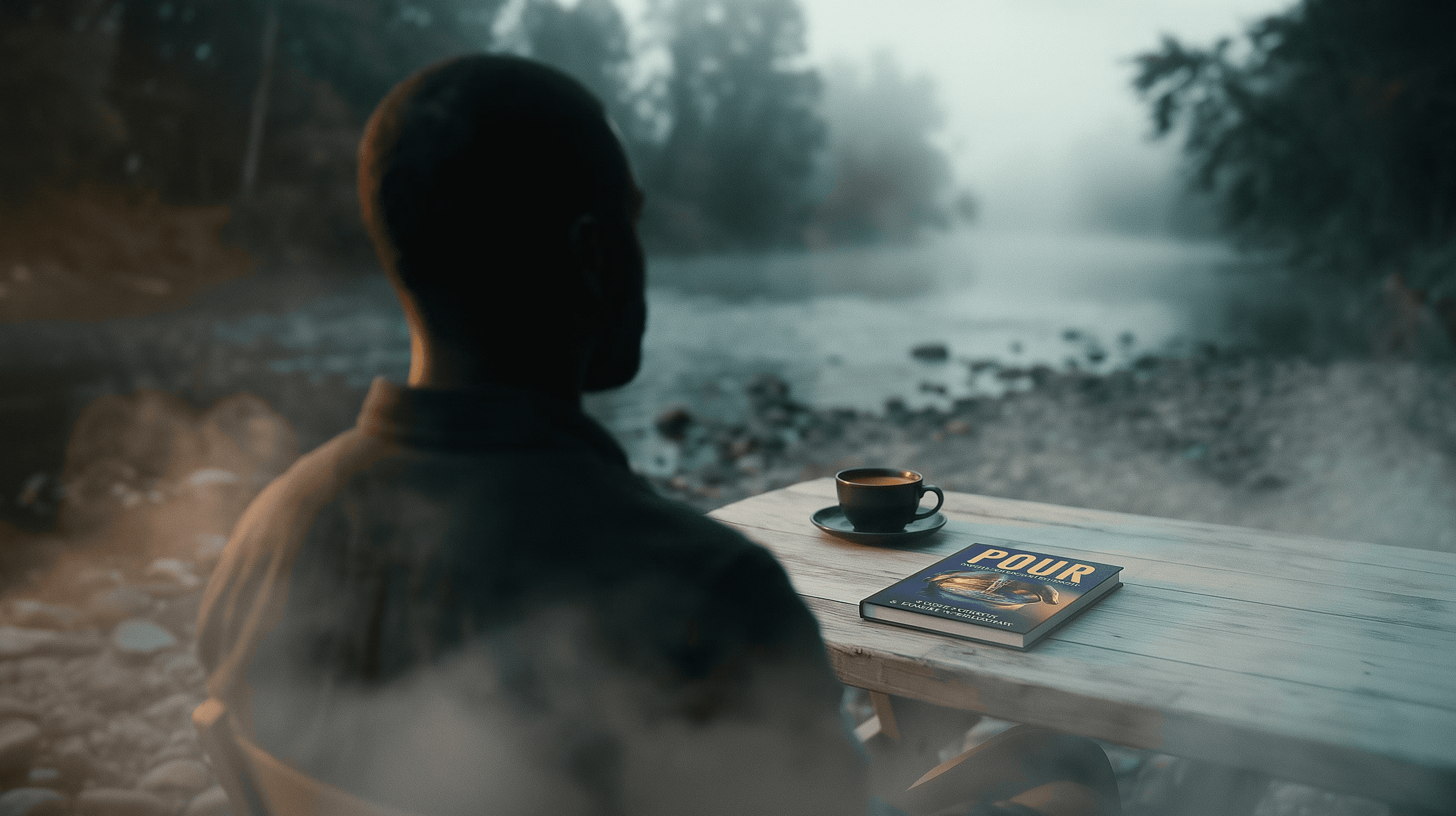
POUR
The Self-Nourishment Blueprint
Are you pouring into others while running on empty? In a fast-paced world that constantly demands our energy, it’s easy to feel drained, disconnected, and overwhelmed. POUR: The Self-Nourishment Blueprint is your guide to reclaiming your energy, realigning with your purpose, and fostering meaningful relationships.